My Listings

My Listings
Browse my web site

Saturday, September 18, 2021

4 Easy Staging Tips You Haven’t Thought About
 

4 Easy Staging Tips You Haven’t Thought About

Posted on Jul 1 2019 - 12:04pm by Liz Dominguez
1.7K

staging tips

Editor's Note: This post was originally published on July 1, 2019. Housecall continues to share this piece due to ongoing requests and reader interest.

Selling can be overwhelming. You're packing everything up, trying to make the house look pristine when all around you is what feels like chaos. Since buyers want that great first impression, you know it's important to declutter—often that means cleaning until your home looks like it's never been lived in. And while you’re rushing around, trying to find a new place for your items, it may seem like an impossible task.

Related: The Five Golden Rules of Home Staging on a Budget

Take a breather—it's actually easier than you think. Here are four staging tips that are so easy they may not have even crossed your mind:

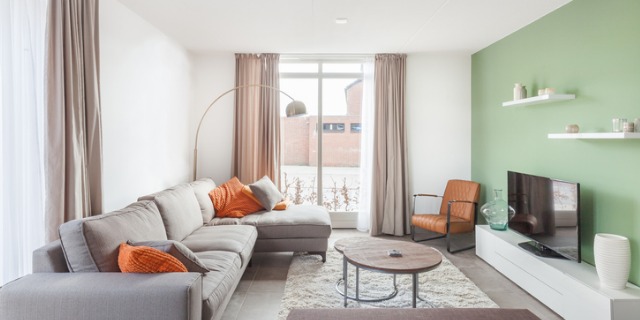
Decorate for the potential buyer. You know who this is because you were once this person! If you're in a starter home neighborhood, the buyer will likely be a younger individual or couple who is looking for more space after cramped apartment living. Pick some trendy paint colors like lilac gray or muted pastels and keep the decor minimalistic and modern. Forget decorating a kid's bedroom and opt for an office layout in the second bedroom instead.

If you're looking to downsize from a, say, four-bedroom house on a cul-de-sac, you're probably going to attract the family crowd. Emphasize your space by decorating according to their needs. Have a finished basement? Amp up the recreational feel with some movie theater loungers or make it a game room!

Think about your neighborhood as well. If you're in walking distance to a dog park, you may find that your buyer has a furry roommate. If your home is near a highly-rated school, that's also an indicator that kids may come with the package for whoever owns your home next.

Use resources. You don't have to take on this process all by yourself. Rent a storage unit so you don't have to worry about hiding away your must-keeps. This way, these items are already neatly packed away and ready for your new home, and they won't get in the way of a buyer who isn't looking to see how bad your shopping addiction is.

Additionally, hire a cleaning company. You can find some relatively affordable options, and this will help you stay stress-free throughout the process. Once it's clean, all you have to worry about is keeping it that way!

Focus on the small accessories. Take a tour of your own home, but with fresh eyes. What do you see that stands out as grungy, old and just a complete turn-off? This can be anything from a sticky, splattered garbage bin that needs a good cleaning to your shower curtain which has a dense layer of soap scum that's going to scare even the bravest buyers away. Replace any small accessories that won't cost you a fortune, and clean anything that can look like new with some TLC.

Use your nose. Again, take a tour of your home, but this time focus on what you're smelling. A better option might be to find a friend or family member who can volunteer to do this for you—someone who doesn't live with you or isn't over all the time. Identify the sources of odor in your home and figure out a solution. The last thing you want is for a buyer to come in and quickly be hit by an unpleasant smell.

The cleaning and decluttering should help with this, but there are other things you can do to ensure your home is a breath of fresh air:

  • Open up the windows! Let your home air out for an hour or two.
  • Light some candles to freshen up the rooms.
  • Bake a cake or some cookies right before a potential buyer comes over.

Staging can be easy if you just put yourself in the buyer's shoes. It is, however, more than just moving around furniture and putting away the excess items. Think back to the tour you took yourself before buying this home. What stood out to you—both good and bad? Think about how it all impacts the senses. Of course, trends change, but the overall feeling of clean and tidy is always the first thing people notice. And customizing your home with some easy staging tricks can make a big difference!

Thursday, September 2, 2021

10 Reasons Why Your Home Isn’t Selling


10 Reasons Why Your Home Isn’t Selling

Posted on Aug 31 2021 - 3:57pm by Jameson Doris
165

When you first list your home, you may be expecting a quick sale, especially in a hot market like the one we’re currently in. Other factors like a popular neighborhood or investments in home improvements, may lead you to believe that your property will sell in no time, but that isn’t always the case.

Although you shouldn’t panic if your home doesn’t sell immediately, you should start asking questions if the weeks and months start to fly by with no serious offers. If this happens, here are 10 reasons why your home may not be selling:

You overvalued your property. If your house is significantly overpriced, it's unlikely that it’ll sell. Even in the current market, most agents suggest pricing your home accurately and letting prospective buyers bid each other up. An experienced agent can give you an accurate value of your home. Additionally, don't make the mistake of tacking on the cost of any renovations you made; never assume that the cost of a renovation translates to added value.

Your listing is poor. If your home listing includes a poorly written description, many buyers will skip over it. Make sure you and your agent put an effort into creating a listing that attracts the attention of buyers. Be sure to include high-resolution photos of both the interior and exterior of your home, and don't forget to highlight unique features around your property!

You're present at showings. Let your agent handle your showings. Buyers don't want to see the seller lurking over their shoulder during showings, especially during an open house. This puts unwanted pressure on the buyer, which will likely make them uncomfortable. You don’t want potential buyers running away from your property. 

You're too attached. If you refuse to negotiate the price of your home at all, then there's a good chance that you've become too attached. If a part of you doesn't want to sell, or if you’re in love with your home, there’s a good chance you're going to have a lot of difficulty coming to an agreement with potential buyers on a price.

You haven't staged your home. If you've already moved out of your home, don't show an empty house. This can make it very difficult for buyers to imagine living in it. Stage your home with modern furniture and decor to give buyers a better idea of how big each room is and how it can be used. You want the buyer to feel at home when they’re touring your property.

You kept up all of your personal decor. Buyers are going to feel uncomfortable touring your house if you keep all of your family portraits and other personal effects around. Take down decor that is political, religious or specific to your interests, so that buyers can have an easier time imagining themselves living there.

Your home improvements are too personalized. You might think that the superhero mural that you painted for your child's room is amazing, but that doesn't mean potential buyers will agree. If your home improvements are too personalized to you and your family, it can scare off buyers who don't want to pay to get rid of features that they don't want.

Your home is too cluttered.  A cluttered home can be a major issue when it comes time to sell. Your home may be clean, but you could simply have too much furniture in one of your rooms. This will make the house feel smaller than it is. Also, be sure to have your carpets and windows professionally cleaned before you begin showing your house.

Your home is in need of too many repairs. The more repairs that are needed, the less likely a potential  buyer will be to purchase your home. Many homebuyers simply don't want to deal with the cost or effort of doing repair work, even if it's just a bunch of small fixes that need to be done, like tightening a handrail or replacing a broken tile. Have these repairs taken care of before you list your home.

You chose the wrong real estate agent. Choosing the right real estate agent is one of the most important decisions you’ll make when the time comes to sell your home. A good REALTOR® makes all the difference in selling your home within a reasonable timeframe for the price you’re hoping to get. Be sure to do research on different agents in your area.

Each of these 10 things alone may not be deal breakers for potential buyers, but once you identify them as issues, you should address them before listing. The longer your property stays on the market, the less likely it is that it’ll sell at listing price. One of the best ways to avoid making these common mistakes is by working with a real estate professional.

Saturday, August 28, 2021

The Best Way To Add Statues To Your Yard


Placing a beautiful statue in your yard can enhance your home's curb appeal and give it a truly unique sense of style. However, you can't just plop a statue down in any old place and expect it to look great. A statue is a piece of art that can create a focal point in your yard or garden — as long as you do it right. Follow these tips, and you're sure to love the results.

  1. Find the Right Location
    When choosing a location for your statue, make sure the spot you're thinking about looks good from all sides. Corner spaces are often perfect for outdoor statues because the human eye is naturally drawn to corners. You may also consider placing your statue prominently in the center of your garden, making it the focal point for the entire space.
  1. Choose Your Statue Carefully
    While the right statue for you will depend on your personal preferences, unless it's hidden in your backyard, it's also important to make sure it's in good taste. To avoid trouble, stay away from anything too large or brightly colored. Also, it goes without saying that you'll want to avoid anything offensive.

    Also, make sure that the statue you choose is the right size for the location. If it's too large, it will overwhelm the space. If it's too small, it won't create an impact. Finally, ensure your statue is made for the outdoors. Otherwise, it won't hold up to the elements and will quickly become an eyesore.
  1. Don't Forget About Safety
    When installing a statue in your backyard, safety is always concern, especially if it's large and heavy. It's important to place your statue on level ground and follow any mounting instructions that come with it. The ultimate goal here is to make sure the sculpture is secure and won't lean to one side or topple over. Not only will this likely ruin your statue, but it could also hurt someone.
  1. Keep Up With Maintenance
    Your statue shouldn't require much maintenance. However, if you want to clean it, make sure you use a gentle cleaner that won't scratch or damage it. To keep your statue looking great, you'll also want to regularly prune back any nearby plants so they don't create a distraction.
  1. Add Some Lighting
    Strategically placed landscape lighting can go a long way towards completing the look of your backyard statue. Not only will this help draw attention to it, but it will also add dimension and create some cool shadow effects.

    Adding string lighting above your statue will give it a nice glow and create a peaceful, romantic feel. For a more dramatic effect, illuminate your outdoor statue from the ground. It's also a good idea to make sure any lighting you choose is LED, as this will greatly improve your energy efficiency.
  1. Enhance it With Landscaping
    While you don't want to add anything that will take attention away from your statue, you can definitely use landscaping to enhance the area. For example, planting the right types of flowers in the ground below your statue can create a beautiful accent that will actually draw attention to the area.

    Be sure to think about the colors you use and whether they add to or detract from the overall look and feel of your statue. And, don't be afraid to experiment. If you don't like the way it looks, you can always plant something different next season.

If the thought of adding a statue to your yard feels intimidating, don't worry! As long as you follow these tips, you'll love the way it looks and will enjoy it for years. Adding art to your yard is fun and exciting, so embrace the experience. Don't be afraid to experiment and have some fun with it.

Saturday, August 21, 2021

6 Important Steps to Take When Moving Into Your New Home


By Brentnie Daggett

Moving usually brings up a whole mix of emotions–from excitement and stress to fatigue and fear. Once the moving process is over and you’re officially in your new home, the more optimistic feelings should start to take precedence over the negative ones, but your job isn’t done just yet. Here are a few essential steps you should take in your new home to ensure your safety and start to fully settle in:

Locate the Fuse Box

Finding your home’s circuit breaker box right away means you’ll be able to act quickly in case of a power outage or in an emergency situation, such as an electrical fire. Overloaded outlets, short circuits or even large appliances can blow a fuse or trip a breaker, which are common reasons for you to have to access the fuse box. Usually fuse boxes are located in places like the basement or garage, but sometimes they can be tucked away on the exterior of the home or in a closet. It’s a good idea to store a flashlight nearby in case you need to access the fuse box in the dark.

Find Your Shut-Off Valves

Few things can cause more damage to your home than a water or gas leak. Locate both your water and gas shut-off valves right away and consider showing them to everyone who lives with you as a safety measure. Accidental water damage is one of the most common insurance claims in the United States, plus it's also very expensive. If you’re dealing with something like a burst pipe, you won’t want to waste time looking for the shut-off valve.

Most homes will have a water shut-off valve in the kitchen and near each toilet, while gas shut-off valves are typically located closer to the gas meter. It can also be beneficial to know where the master water shut-off is located for the entire property in case a leak isn’t stopped by the local valve. Don’t hesitate to contact your municipal water or gas provider if you need help locating these shut-off valves.

Test Smoke and Carbon Monoxide Alarms

Smoke alarms and carbon monoxide detectors are vital to the safety of you and your family. Not only is it important to locate these tools in your new home, but it is equally important to test out each device to make sure they are functioning properly. If they aren’t working, do what you need to do to get them in working order as soon as possible or purchase new ones.

Create Emergency Plans

It’s not the most exciting part of moving into a new home, but take a moment to identify emergency escape routes and create an emergency plan with your family. Add a lockout plan into the mix–what will you do if you end up locked out of your new house? Consider installing a lockbox or asking a friend or family member who lives close by to hold on to a spare key.

Check Out Your HVAC System

Most heating and cooling systems use a replaceable filter to ensure good airflow and prevent wear and tear. Even if the HVAC system was examined during the home inspection process, it’s a good idea to take a look at the HVAC filter, check for dirt and debris, and see if it's time to swap it out for a new one. Changing the filter will keep the air in your new home healthy and can even keep your electric bill in check since the system won’t be overcompensating due to poor airflow.

Experts recommend changing HVAC filters at least seasonally, or monthly, if you have pets in the home. While you’re inspecting the filter, run both the heating and cooling systems to ensure they operate as intended to avoid a situation where you can’t keep your home at the proper temperature during all seasons.

Get Homeowners Insurance

Homeowners insurance is typically required before you can close on a home, but if you haven’t already secured a policy, do so immediately. Your home is likely the largest investment you'll make in your lifetime,and homeowners insurance adds another layer of protection to your home, your personal property and your liability.

Moving isn’t always easy, but with a little research and planning ahead you can take some of the stress out of the situation. Once you complete these important first steps in your new home, it’s time to move on to the fun part of moving: enjoy your new house and explore your new neighborhood!

daggett-brentnie-headshot-growella-150x150-e1517245730497Brentnie Daggett is a writer and infographic master for the rental and property management industry. She loves to share tips and tricks to assist landlords and renters alike. To learn more about Daggett, and to discover more great tips for renters, visit www.rentecdirect.com.

Saturday, August 14, 2021

11 Reasons Why Your Home Isn't Selling

Editor's Note: This post was originally published on June 1, 2017. It has been updated to reflect current conditions related to the coronavirus. Housecall continues to share this piece due to ongoing requests and reader interest.

By Charles Muotoh

When you first put your house on the market, you might be hopeful for a quick sale—especially if you've put a lot of money into improving the house over the years and if the neighborhood is one that has historically attracted a lot of buyers. While you shouldn't panic if the house doesn't sell the moment you list it, you should begin to worry if the months start flying by without any real offers. If this is the case, here are 11 reasons why your house may not be selling.

  1. You overvalued your property. If your house is overpriced, it's simply not going to sell. Compare your property to similar properties that recently sold within your area to get a better idea of its true value. An experienced real estate agent can give you an accurate value of your home. Additionally, don't make the mistake of tacking on the cost of any renovations you made. You can't just assume that the cost of a renovation translates to added value.
  1. Your listing is poor. If the listing of your home includes a poorly written description without any images, a lot of buyers are going to skip over it. Make sure you and your REALTOR® put an effort into creating a listing that attracts the attention of buyers. Make sure to add high quality photographs of both the interior and exterior of your home. Don't forget to highlight unique features as well.
  1. You're always present at showings.* Let your agent handle your showings. Buyers don't want to have the seller lurking over their shoulder during showings, especially during an open house. This puts unwanted pressure on the buyer, which will make them uncomfortable and likely chase them away.
  1. You're too attached. If you refuse to negotiate even a penny off your price, then there's a good chance that you've become too attached to your home. If a part of you doesn't want to sell it, or you think your house is the best house in the world, odds are you're going to have a lot of difficulties coming to an agreement with a potential buyer.
  1. You haven't had your home professionally cleaned. A dirty house is going to leave a bad impression on buyers. Make sure you have a professional clean your carpeting and windows before you begin showing your house.
  1. You haven't staged your home. If you've already moved out, then don't show an empty house. This makes it difficult for buyers to imagine living in it. Stage your house with furniture and decor to give buyers a better idea of how big every room is and how it can be used. You want the buyer to feel at home when they are taking the tour.
  1. You kept up all of your personal décor. Buyers are going to feel uncomfortable touring your house if you keep all of your family portraits up. Take down your personal décor so that buyers can have an easier time imagining themselves living there.
  1. Your home improvements are too personalized. You might think that the comic book mural you painted for your child's room is absolutely incredible, but that doesn't mean potential buyers will agree. If your home improvements are too personalized, it can scare off buyers who don't want to pay for features they don't want.
  1. Your home is too cluttered. Even if your home is clean, clutter can still be an issue. For example, maybe you simply have too much furniture in one of your rooms. This can make the house feel smaller than it is.
  1. Your home is in need of too many repairs. The more repairs that are needed, the less likely a buyer will want your house. Many buyers simply don't want to deal with the cost or effort of doing repair work, even if it's just a bunch of small repairs, such as tightening a handrail or replacing a broken tile.
  1. You chose the wrong real estate agent. In my opinion, choosing the right real estate is simply the most important decision you make in selling your home.  A good REALTOR® makes all the difference in selling your home within a reasonable time.

All these things can be fixed once you realize your mistake; however, the longer your property stays on the market, the less likely it will sell at listing price. One of the best ways to avoid making these common mistakes is by working with a professional real estate agent.

Charles Muotoh is the owner of dcrealestateguru.com, a full service real estate firm focused on leveraging digital marketing strategies to serve buyers and sellers of real estate in the Washington D.C. area.

*Due to the current conditions related to the coronavirus, showings may be conducted virtually in your area. Your agent will be able to keep you apprised of local market conditions and policies.

Tuesday, July 27, 2021

Housing inventory slowly coming back

 After four consecutive months of declines, existing home sales increased in June, jumping 1.4% from May to a seasonally adjusted annual rate of 5.86 million, according to the National Association of Realtors. You can thank a rise in housing inventory for the gains.

Sales climbed 22.9% year over year, up from 4.77 million in June 2020 as housing inventory has slowly improved in recent months. Total housing inventory at the end of June amounted to 1.25 million units, up 3.3% from May’s inventory and down 18.8% from one year ago.

“That’s due to more housing starts and existing homeowners listing their homes, all of which has resulted in an uptick in sales,” said Lawrence Yun, NAR’s chief economist. “Home sales continue to run at a pace above the rate seen before the pandemic.”

Unsold housing inventory sits at a 2.6-month supply at the current sales pace, Yun said — also up from May’s 2.5-month supply.

The median existing-home price for all housing types in June was $363,300, up 23.4% from June 2020 ($294,400), as every region recorded price jumps. This marks a staggering 112 straight months of year-over-year gains.

“At a broad level, home prices are in no danger of a decline due to tight inventory conditions, but I do expect prices to appreciate at a slower pace by the end of the year,” Yun said. “Ideally, the costs for a home would rise roughly in line with income growth, which is likely to happen in 2022 as more listings and new construction become available.”

Properties typically remained on the market for 17 days in June, unchanged from May and down from 24 days in June 2020. Eighty-nine percent of homes sold in June 2021 were on the market for less than a month. First-time buyers accounted for 31% of sales in June, also even with May but down from 35% in June 2020.

“The combination of low mortgage interest rates, an improving economy and demographic factors continues to stoke buyer demand and fuel market competition,” said Matthew Speakman, Zillow economist. “But historic price growth nationwide has weakened some households’ ability to afford their next home and a shortage of available inventory appears to have left some would-be buyers discouraged.”

Individual investors or second-home buyers, who account for many cash sales, purchased 14% of homes in June, down from 17% in May and up from 9% in June 2020. All-cash sales accounted for 23% of transactions in June, even with May and up from 16% in June 2020.

“Huge wealth gains from both housing equity and the stock market have nudged up all-cash transactions, but first-time buyers who need mortgage financing are being uniquely challenged with record-high home prices and low inventory,” Yun explained. “Although rates are favorably low, these hurdles have been overwhelming to some potential buyers.”

Single-family home sales decreased to a seasonally adjusted annual rate of 5.14 million in June, up 1.4% from 5.07 million in May and up 19.3% from one year ago. The median existing single-family home price was $370,600 in June, up 24.4% from June 2020.

Existing condominium and co-op sales were recorded at a seasonally adjusted annual rate of 720,000 units in June, up from 710,000 in May and up 56.5% from one year ago. The median existing condo price was $311,600 in June, an annual increase of 19.1%.

Interest in condos, specifically, seems to be rising, as June saw the average condo sales price rise to 0.7% above asking. Nearly 42% of condos sold above asking price in June — more than double the 18.6% share in June 2020 and the 20.2% share in June 2019.

May’s average sale price of condos was also above asking price.

Regionally, existing-home sales in the Northeast increased 2.8% in June, recording an annual rate of 740,000, a 45.1% rise from a year ago. The median price in the Northeast was $412,800, up 23.6% from June 2020. Existing-home sales in the Midwest rose 3.1% to an annual rate of 1,330,000 in June, an 18.8% increase from a year ago. The median price in the Midwest was $278,700, an 18.5% increase from June 2020.

Existing-home sales in the South were unchanged from May, posting an annual rate of 2,590,000 in June, up 19.4% from the same time one year ago. The median price in the South was $311,600, a 21.4% climb from one year ago. Existing-home sales in the West rose 1.7%, registering an annual rate of 1,200,000 in June, a 23.7% jump from a year ago. The median price in the West was $507,000, up 17.6% from June 2020.

“Plenty of buyers remain in the market, hoping to find a home that is a good fit for their needs and budget,” said Danielle Hale, Realtor.com chief economist. “Despite public opinion that it’s not a great time to buy, many home shoppers are looking to take advantage of still-low mortgage rates and lock in their monthly housing payment, the largest budget item for many households.”

Thursday, July 8, 2021

Placement Using Feng Shui Can Help a Buyer be at Ease

As a former Realtor of over 19 years, I was always intrigued by how a potential buyer came to their conclusion when looking at a particular home. The psychology of making a purchase is fascinating.


It was an easy "leap" for me to eventually own a home staging company and then become a Certified Feng Shui Professional.

Feng Shui takes into account a part of the process that we don't think of.....the subconscious. Have you ever thought about all of the stimuli that is around us and goes by us during any day? Our brains luckily don't register everything or we would go crazy. BUT, many items that don't get to our consciousness still are stored. These things often give us those unsettling feelings about a place or person...and we can't put our finger on it.  Why did I not want to stay in that house? Why did I feel that person I just met was not quite truthful?

Feng Shui has many factions, but one of the main functions is to make an individual feel safe and comfortable in their surroundings. Without these two things in place, an inhabitant or a visitor will NOT be able to function at their best. A potential home buyer will not want to stay and visualize where their couch will go, where little Johnnie will sleep, or if there is enough room for the dining room furniture.  

Instead their subconscious may tell them to leave, and that is, of course, the worse thing we can have happen when a home is viewed. You may be thinking, my listing is safe. This home is in a safe neighborhood. It looks comfortable to me!

Feng Shui first started by locating the best places for building their homes or temples. What they looked for was a site that was safe from strong winds, protected from harsh sunlight, and gave them ample time if a threat was on the horizon. This idea grew to be known as using the "Classic Armchair".

The Classic Armchair set-up means that the back of the dwelling was protected by a mountain, the sides were protected by hills or a grove of trees, and they had a direct sight line which could take in what or who was coming for many miles.

Now this idea may seem unnecessary presently, but human beings are still wired the same way. Our first reaction, even though it is just a split second, is one of flee or fight when entering a new space.  And then we quickly register that there is no reason to do either. There was a reason the old gunfighter sat with his back to a wall and he was able to see who came in the saloon's front entrance.

This idea (Classic Armchair) is how all rooms should be set up to give the owner a peace of mind and calm a visitor quickly and allow them to be supremely comfortable, and therefore willing to take their time and look at the house.

A bed should be placed so its headboard is on a solid wall (this is the mountain) and that the person who sleeps there has a direct sight line to the door that enters into the room. A person will sleep much better in a bedroom placed like this and we quickly see that when entering. They will be thinking: "I will have a good night sleep here and wake up refreshed for my job".

A living room (or den) should have their chairs placed at a 45 degree angle to any window and preferably on a solid wall. The largest piece of furniture for sitting (couch) should be placed first up against a solid wall.

When a house is set up using this type of placement it gives a sense of security to the potential buyer. The first thing a real estate agent needs to make sure of is that the visitor feels they would be safe and comfortable living here.

 By Steve Kodad